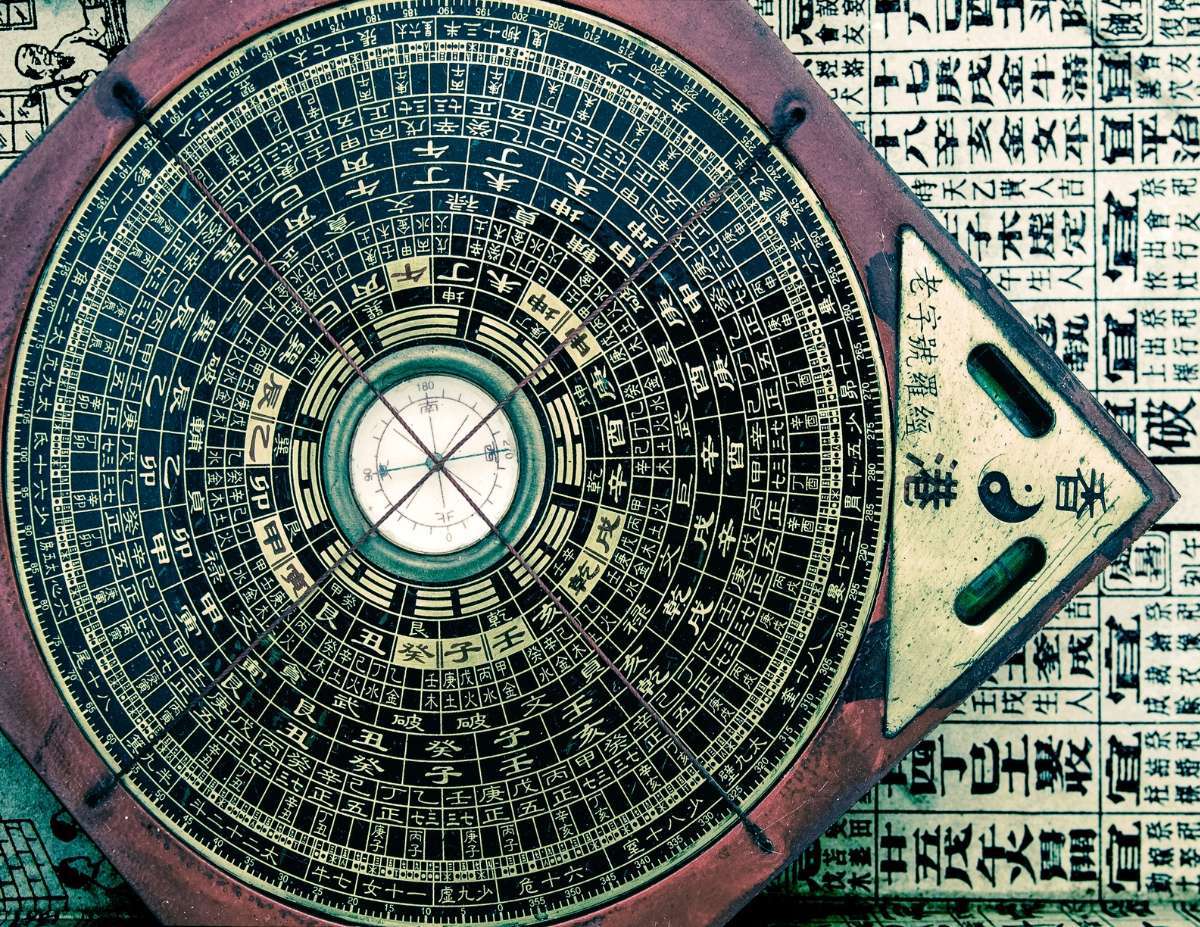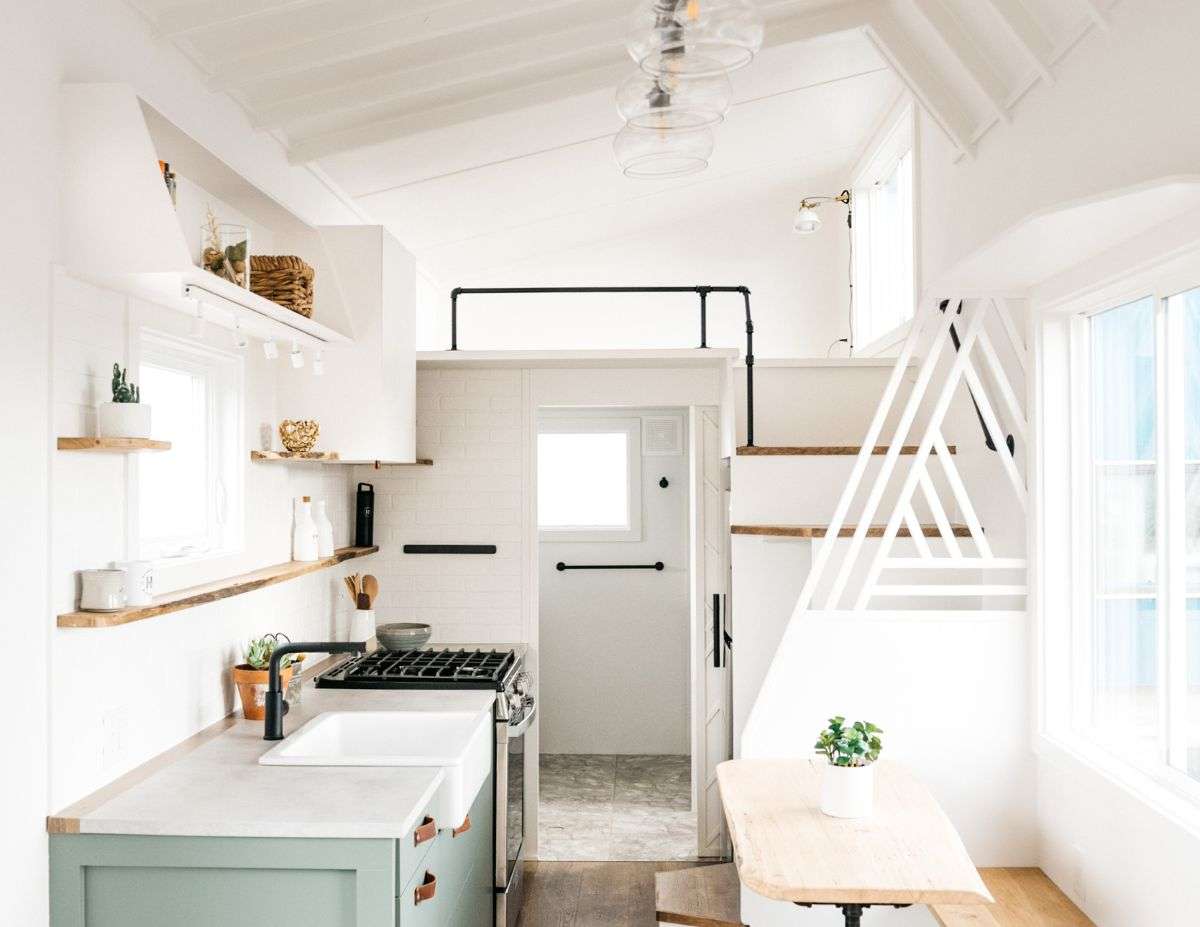
Feng Shui, a practice with deep roots in ancient Chinese culture, is more than just a method of arranging furniture. It’s a philosophy that can be traced back to an ancient poem that speaks about human life being intimately connected and flowing with the environment around it. The Chinese words “Feng,” meaning wind, and “Shui,” meaning water, embody this concept, reflecting the constant motion and flow of nature’s elements.
This philosophy is encapsulated in the Asian concept of the Tao, which translates to “the way.” Taoism is essentially the way of nature, and Feng Shui is a reflection of this, with its principles mirroring the natural world. By incorporating Feng Shui into your home, you’re not just rearranging physical objects, but creating a balance and flow that resonates with your life’s rhythm.
What is Basic Feng Shui?
It’s the art and science of organizing living spaces to create balance with the natural world. The ultimate aim is to tap into and harness the energy forces that surround us, establishing a harmonious relationship between an individual and their environment.
Feng Shui isn’t a superstition or a religious belief, but a practical approach to assessing and enhancing your physical surroundings to improve your life quality. Whether you’re setting up a new workspace or refreshing your home, understanding the basics of Feng Shui can help you create a harmonious, energized space.
My journey with Feng Shui began over 20 years ago when I was searching for a way to bring harmony and balance into my hectic life. As I delved deeper into the practice, I was captivated by the philosophy of Feng Shui, its roots in ancient Chinese culture, and the profound connection it draws between human life and the environment. Over the years, I’ve trained under renowned Feng Shui masters and have seen firsthand the transformative power of aligning one’s living space with the natural world. The principles of Feng Shui have not only reshaped my personal environment but have also brought a sense of balance, peace, and harmony to my life that I never thought possible.
Principles of Basic Feng Shui
Feng Shui is not a haphazard practice; it’s a well-thought-out discipline based on four main principles. These principles guide the arrangement and organization of your space to foster a sense of harmony and balance. Let’s delve into these principles:
Chi: Chi is the life force or energy that permeates everything around us. It’s a vital component in Feng Shui design, as the goal is to optimize the flow of Chi in your home, promoting a positive and vibrant energy.
Commanding Position: This principle refers to the location in a room that is farthest from the door, but not directly in line with it. It’s the spot where you’ll want to spend most of your time. Having a clear line of sight to the door from the commanding position ensures the best possible Feng Shui, allowing you to be in control of your space.
Bagua: The Bagua is the Feng Shui energy map. It’s a Chinese term that translates to “eight areas.” Each area corresponds to a specific aspect of life, such as career, relationships, or health. The Bagua map is a crucial tool in Feng Shui, helping you analyze and enhance the energy in your space.
Five Elements: The universe, according to Feng Shui, is made up of five elements: earth, metal, wind, water, and fire. Each element carries specific qualities and attributes. When incorporating Feng Shui into your home, the goal is to balance these elements, creating a harmonious and vibrant environment.
Understanding and applying these principles is the key to successful Feng Shui practice. They can help you transform your living or working space into an environment that not only looks good but also supports your well-being and life aspirations.
In my two decades of practicing Feng Shui, I’ve worked with a diverse range of clients, from individuals looking to create a peaceful home environment to corporations aiming to boost productivity in the workplace. Each time, I’ve seen how understanding and applying the four main principles of Feng Shui can truly transform a space. Whether it’s optimizing the flow of Chi, finding the perfect commanding position, or balancing the five elements, these principles have been instrumental in creating environments that not only look aesthetically pleasing but also support well-being and life aspirations. The transformation I’ve witnessed in my clients’ lives, as they experience increased harmony, prosperity, and positivity, is a testament to the profound impact of Feng Shui.
At Feng Shui Accents, we’re committed to helping you bring these principles to life in your space. Our curated selection of Feng Shui cures and decor accents are designed to balance yin and yang energies, incorporate the five Feng Shui elements, and enhance the flow of Chi, creating a harmonious and energized environment.
Chi: The Vital Life Force in Basic Feng Shui
Chi, in the context of Feng Shui, is the life force or energy that permeates everything around us. It’s an essential component in Feng Shui design, as the goal is to optimize the flow of Chi in your home to promote a positive and vibrant energy.
Chi flow can be affected by several factors, including room size and clutter. Large, open spaces can cause Chi to disperse and become weak, while small, cramped spaces can cause Chi to become stagnant. The ideal room size allows for a balanced Chi flow, creating a comfortable and harmonious environment.
Clutter can also negatively impact the flow of Chi. Cluttered spaces can block and disrupt the flow of energy, leading to feelings of stress and chaos. By keeping your space clean and organized, you can ensure a smooth and free-flowing Chi, which can contribute to a sense of calm and order.
The Commanding Position: A Key Principle in Basic Feng Shui
The commanding position is a key principle in Feng Shui. It refers to the spot in a room that is farthest from the door, but not directly in line with it. This position allows you to have a clear line of sight to the door, giving you a sense of control over your space.
The commanding position is where you’ll want to place important furniture pieces like your bed, desk, and stove. Here are some recommendations:
Bed: Place your bed in a commanding position where you can see the door but are not directly in line with it. This gives you a sense of security and control while you sleep. This is a crucial part of a good Feng Shui bedroom layout.
Desk: Position your desk so that you’re facing the door. This allows you to see opportunities coming your way and gives you a commanding view of your work. This is an important aspect of the Feng Shui office desk direction.
Stove: The stove represents health and wealth in Feng Shui, so its position is important. Place it in a location where you can see the door while cooking, but not directly in line with it.
Remember, the goal of the commanding position is to enhance the flow of positive energy and give you a sense of control over your space. By following these recommendations, you can create a harmonious and balanced environment in your home.

The Feng Shui Bagua Map: A Basic Tool for Energy Optimization
The Bagua map, a cornerstone of Feng Shui, is an energy blueprint superimposed on your home’s floor plan. Its name hails from the Chinese term “bagua,” meaning “eight areas.” Each of these areas corresponds to a unique life aspect, such as family, wealth, or career, with a ninth central area representing your overall wellness.
Different Feng Shui schools utilize the Bagua map, albeit with varying application methods. Western and BTB (Black Sect) schools typically align the knowledge, career, and helpful people areas with the front door. Conversely, the Flying Stars and other classical schools might orient the Bagua based on the year’s energy or the compass.
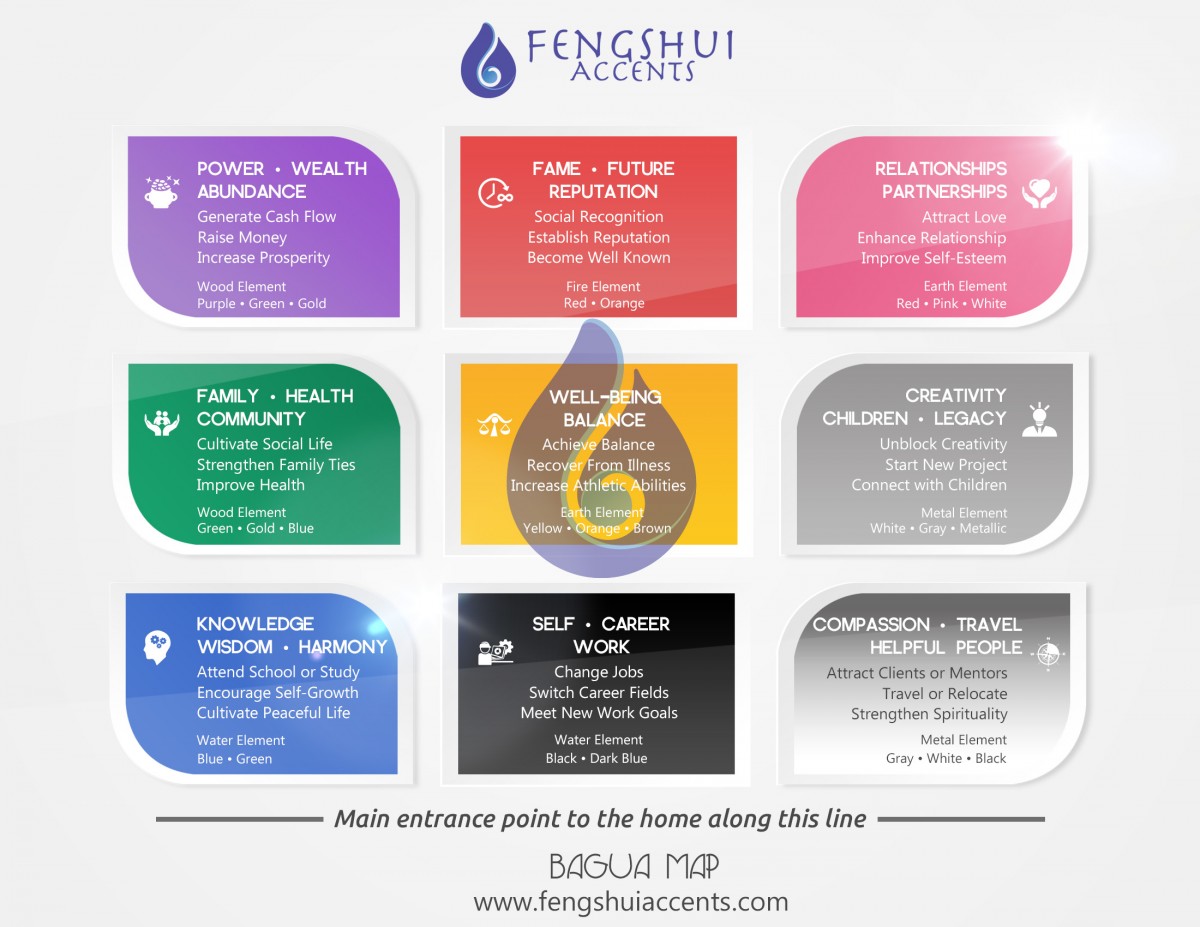
The Bagua Areas: Enhancing Life Aspects
Each Bagua area, with its distinct shapes, colors, seasons, numbers, and elements, represents a specific life aspect. Here’s a closer look at these areas and Feng Shui tips to enhance them:
Family (Zhen): Symbolizes family and new beginnings. Use columnar, rectangular shapes, and shades of green, blues, and teal to enhance this area. Its element is Yang wood, associated with the spring season and the number 4.
Wealth (Xun): Represents wealth, abundance, and prosperity; Feng Shui for wealth. Enhance this area with columnar, rectangular shapes, and the color purple. Its element is Yin wood, associated with the spring season and the number 5.
Health (Tai Qi): Stands for overall wellness. Keep this area clutter-free and well-lit, using flat, square shapes, and colors like brown, orange, and yellow. Its element is Earth, associated with transitions between seasons and the number 5.
Helpful People (Qian): Relates to helpful people, benefactors, and travel. Enhance this area with circular, spherical shapes, and shades of gray or metallics. Its element is Yang metal, associated with the autumn season and the number 6.
Children (Dui): Symbolizes children, completion, and joy. Use circular, spherical shapes, and the color white or metallics to enhance this area. Its element is Yin metal, associated with the autumn season and the number 7.
Knowledge (Gen): Represents knowledge, self-cultivation, and skillfulness. Use flat, square shapes, and dark blue color to enhance this area. Its element is Yang earth, associated with transitions between seasons and the number 8.
Fame (Li): Stands for fame, reputation, passion, and visibility. Enhance this area with triangular, pointy shapes, and the color red. Its element is Fire, associated with the summer season and the number 9.
Career (Kan): Represents career and life path. Use wavy, curvy shapes, and the color black to enhance this area. Its element is Water, associated with the winter season and the number 1.
Partnerships (Kun): Symbolizes partnerships, marriage, and self-care; the Feng Shui for love and romance.. Use flat, square shapes, and the color pink to enhance this area. Its element is Yin earth, associated with transitions between seasons and the number 2.
To effectively incorporate the Bagua into your life and Feng Shui your home, identify one to three areas needing the most attention. Gradually strengthen your energy or improve flow in these areas, avoiding the temptation to tackle all areas simultaneously. By understanding and applying these Bagua enhancements, you can create a balanced, harmonious environment that supports your life goals.
The Five Elements of Feng Shui: A Basic Guide to Harmony and Balance
The five elements of Feng Shui – earth, metal, water, wood, and fire – are integral to the Taoist tradition. These elements are interconnected life phases that, when balanced, create a harmonious system. When you Feng Shui your home, your goal is to achieve this balance.
To incorporate these elements into your home and life, start by identifying one to three areas you’d like to improve. Then, strengthen the energy in these areas by adding the suggested colors or shapes. For instance, if your Bagua indicates that your bedroom aligns with your overall wellness – tied to the earth element – consider using Feng Shui colors associated with earth. Decorate with ceramic or clay pottery, stones, or crystals to enhance this energy. Once initial improvements are made, shift your focus to other areas, observing the elements of each room, and introducing corresponding Feng Shui items. The aim is to infuse positive energy into these rooms, thereby enhancing your entire home.

Let’s delve into the qualities, shapes, colors, seasons, and areas associated with each element:
Earth: Represents groundedness, self-care, and stability. It’s symbolized by flat, square shapes and colors like brown, orange, and yellow. The earth element is associated with transitions between seasons and influences wellness, knowledge, and partnerships.
Metal: Symbolizes efficiency, precision, and beauty. It’s represented by circular, spherical shapes and white or metallic colors. The metal element is linked to the autumn season and influences helpful people and children.
Water: Represents downward, flowing, and shifting qualities. It’s symbolized by wavy, curvy shapes and the color black. The water element is associated with the winter season and influences your career area.
Wood: Symbolizes expansiveness, vitality, and upward movement. It’s represented by columnar, rectangular shapes and green or blue colors. The wood element is linked to the spring season and influences family and wealth areas.
Fire: Represents passion, illumination, and brilliance. It’s symbolized by triangular, pointy shapes and the color red. The fire element is associated with the summer season and influences the fame area.
Understanding and applying these elements in your home can bring about positive energy, ultimately creating a balanced and harmonious living space.
Basic Steps to Feng Shui Your Living Space
Here are some key steps to applying Feng Shui principles in your home, fostering a sense of balance and harmony:
Embrace Greenery: Incorporating Feng Shui plants, particularly those with softer, round leaves like the money plant, can enrich your personal energy. They bring an air of tranquility and rejuvenation to your space.
Mind Your Positioning: In Feng Shui, the commanding position is the spot farthest from the door, yet not directly in its line. This is the ideal placement for your stove, desk, or bed. Also, be mindful of the overall direction of your home for optimal energy alignment.
Harmonize with Colors: Tailor your color choices to the Bagua areas you wish to enhance. For instance, infuse green hues for the family (Zhen) area or purple for the wealth (Xun) area to amplify the energy in these zones.
Eliminate Clutter: Clutter can impede the flow of Chi, the vital life-force energy. By decluttering, you allow Chi to circulate freely, boosting the energy in your home.
Ensure Open Traffic Flow: Keep doors and hallways unobstructed. Furniture should not be placed directly at the entrance of a room to maintain an open energy pathway.
Repair Broken Items: Damaged items can disrupt the Chi in a space. Addressing these issues promptly, especially with mirrors, can enhance your home’s energy.
Incorporate the Five Elements: Using the five elements – earth, metal, water, wood, and fire – is a fundamental way to Feng Shui your home. Strive for a balanced representation of each element and position them in their respective home spaces.
Create a Welcoming Entryway: The entryway is the gateway for energy into your home. Craft a space that is inviting, bright, and free from clutter to usher in positive energy.
Optimize Natural Light: Sunlit rooms boost wellbeing and vitality. Arrange windows to maximize incoming light or use mirrors to reflect and enhance natural light. Be cautious with furniture placement to avoid obstructing the light.
Over the years, I’ve guided hundreds of clients through these basic steps to Feng Shui their living spaces. Each time, the transformation is remarkable. I’ve seen cluttered, chaotic spaces evolve into serene sanctuaries, and I’ve witnessed how simple changes, like the placement of a bed or the color of a room, can dramatically shift the energy of a space. But what’s truly rewarding is seeing the impact on my clients themselves. They report feeling more peaceful, more in control, and more in tune with their surroundings. They sleep better, work more productively, and feel more positive in their day-to-day lives. This is the power of Feng Shui, and it’s why I’m so passionate about sharing it with others.
Frequently Asked Questions About Feng Shui
What does the term “Feng Shui” translate to?
“Feng Shui” is a Chinese phrase where “Feng” signifies wind and “Shui” stands for water. It’s a nod to an age-old verse that emphasizes the intricate bond and fluid interplay between human life and the surrounding environment.
What factors contribute to negative Feng Shui in a home?
Negative Feng Shui in a home can be attributed to several elements. For example, obstructing entrances or doorways can disrupt the smooth circulation of Chi, resulting in a stagnant ambiance. Similarly, a cluttered space can trap energy. In your bedroom, if your bed is positioned so it faces away from the door or directly opposite it, instead of in a commanding position, it’s considered negative Feng Shui.
How can I incorporate Feng Shui principles into my interior design?
Feng Shui provides valuable guidelines for interior design. It discourages keeping unhealthy or dead plants, using sharp plants for decoration, having broken or obscured mirrors, storing items under the bed, and using a bed without a headboard. Also, doors should be free from obstructions.
On the flip side, Feng Shui encourages a clutter-free home, using appropriate colors, incorporating materials like bamboo, crystal, and glass, maximizing natural light, and nurturing Feng Shui-friendly plants.
What is the main objective of using Feng Shui?
The primary goal of Feng Shui is to cultivate harmony between individuals and their environment. It strives to create a sense of balance and flow that influences not only your home’s design but also your overall life experience.
What colors should I use for Feng Shui?
In Feng Shui, each of the five elements is connected with specific colors. Earth is symbolized by hues of brown, orange, and yellow. Metal is associated with white and metallic tones. Water is represented by black. Wood resonates with green and blue. Lastly, the element of fire is linked with the color red.